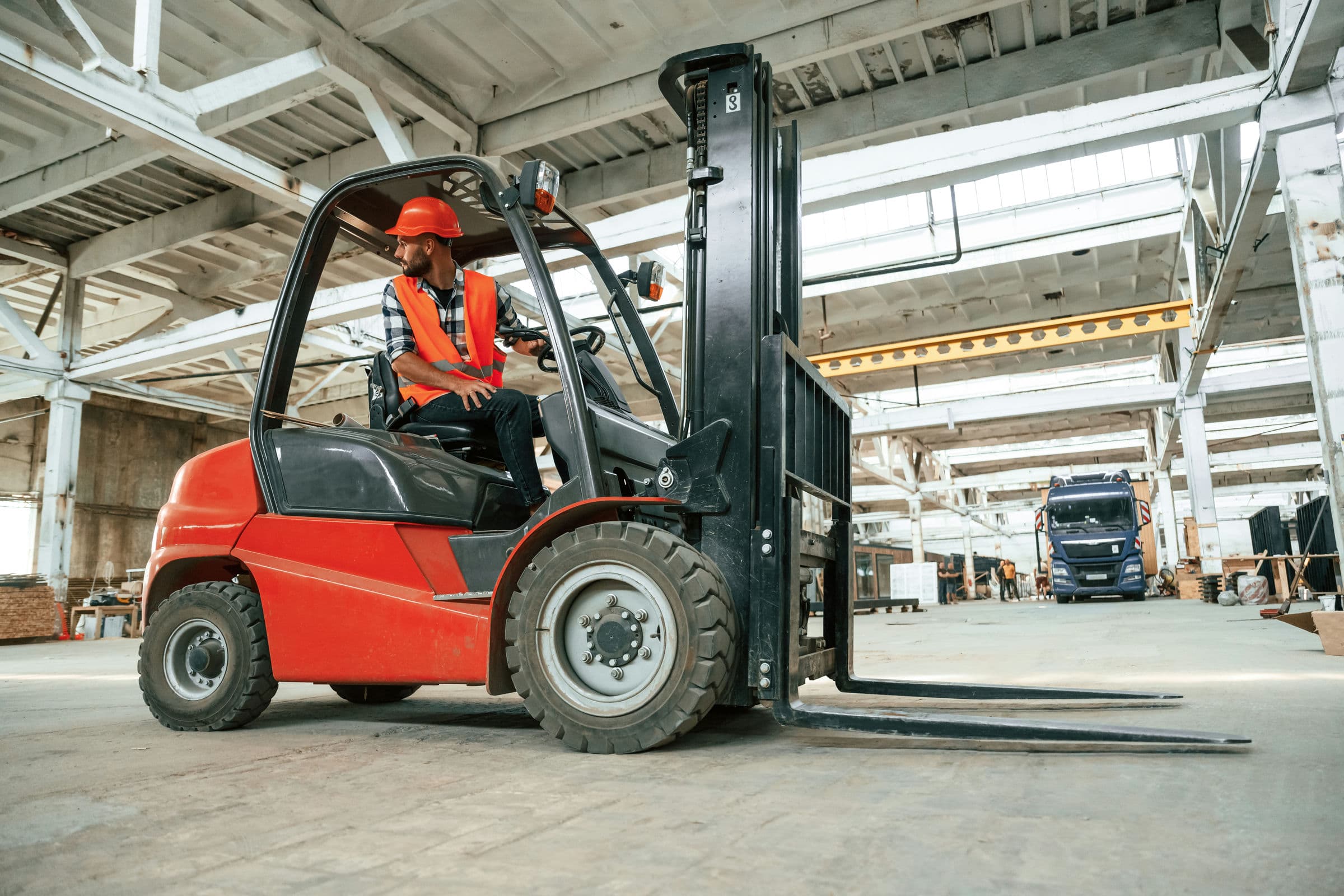
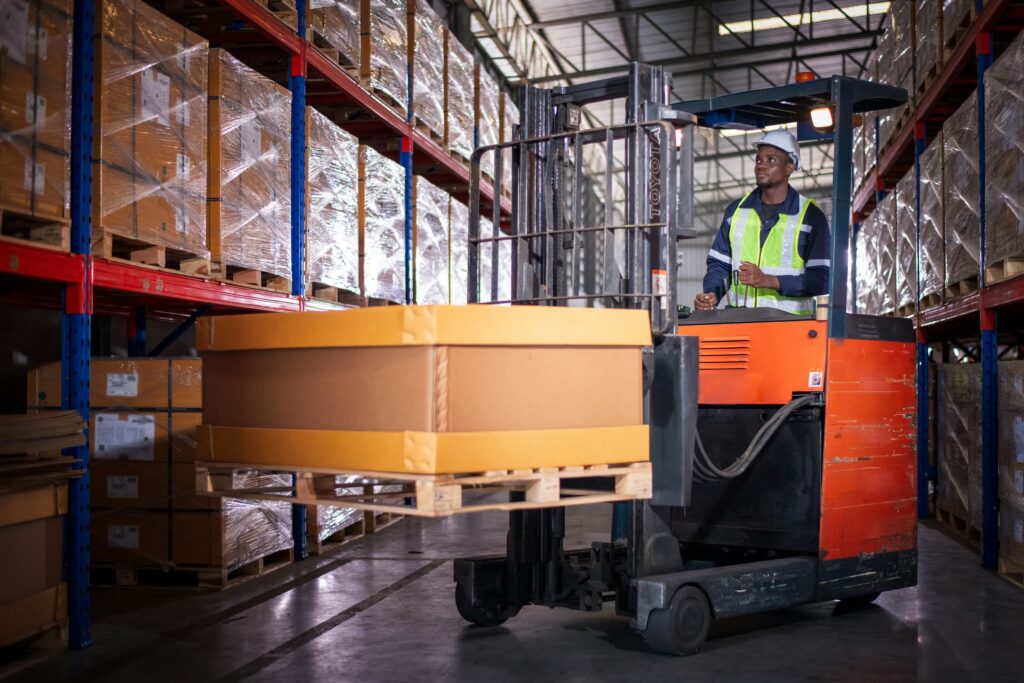
Forklifts, cranes, hoists — if you need it to lift or move, we can finance it. With over 40 years in the industry, we understand how this equipment works and what lenders look for. We are personal, we know the right people, and we will come to you to work out the best structure.
Structures aligned to compliance and operational risk.
Support for High-Use Equipment
Funding designed for assets with intensive daily utilisation.
Designed for Uptime and Reliability
Finance that supports maintenance and replacement planning.
What Customers Say About GVK Finance
Finance Built for Lifting & Material Handling Operations
Lifting and material handling equipment plays a direct role in productivity and workplace safety. In many environments, equipment must meet strict compliance standards while operating continuously across shifts, sites, or facilities.
Purchasing decisions are often driven by safety requirements, load capacity, and operational layout rather than cost alone. Finance structures that fail to reflect these priorities can result in under-specified equipment, delayed replacements, or cash flow pressure during compliance upgrades.
Well-structured finance supports the acquisition of appropriate equipment while maintaining flexibility to manage inspections, servicing, and future upgrades.
Lifting & Material Handling Equipment Commonly Financed
GVK Finance arranges funding for a wide range of lifting and material handling assets used across New Zealand.
Forklifts and Warehouse Equipment
Forklifts, pallet movers, reach trucks, and warehouse handling systems.
Cranes and Lifting Machinery
Mobile cranes, fixed cranes, hoists, and specialised lifting equipment.
Access and Height Safety Equipment
Scissor lifts, boom lifts, and access platforms used in construction and maintenance.
Used Lifting Equipment
Quality used equipment financed where condition, certification, and suitability are appropriate.
Finance Solutions Commonly Used
Lifting and material handling equipment is commonly financed using:
If your business relies on lifting or material handling equipment, the right finance structure can support safety, reliability, and uninterrupted operations.