Managing multiple business loans, asset finance agreements, and short-term facilities can place unnecessary pressure on cash flow and administration. Debt consolidation allows businesses to combine existing liabilities into a single, structured facility that is easier to manage and better aligned with how the business actually operates.
At GVK Finance, we structure business debt consolidation around cash flow stability, asset utilisation, and long-term financial control — not short-term relief. The goal is to simplify repayments, reduce friction across facilities, and create breathing room for better operational decision-making.
Consolidate multiple facilities into one structured solution aligned with your operations.
Improve Cash Flow Control
Replace mismatched repayment schedules with a single, predictable structure.
Reduce Administrative Load
Fewer lenders, fewer repayments, clearer visibility across your liabilities.
Finance Built for Business Operations
Debt consolidation is not just about combining loans. When structured correctly, it becomes a practical tool for improving financial clarity and operational efficiency.
Many businesses accumulate finance over time — vehicle loans, equipment finance, short-term facilities, overdrafts, and seasonal funding — often arranged at different stages of growth. As the business evolves, these facilities may no longer align with current revenue patterns, asset usage, or risk exposure.
Debt consolidation brings these obligations together into a single, purpose-built structure. This allows repayments to better reflect how income is generated, how assets are used, and where the business is heading next — rather than being locked into outdated arrangements.
Assets and Liabilities We Commonly Consolidate
Debt consolidation can apply across a wide range of business finance obligations. At GVK Finance, consolidation structures often include combinations of:
Vehicle and Transport Assets
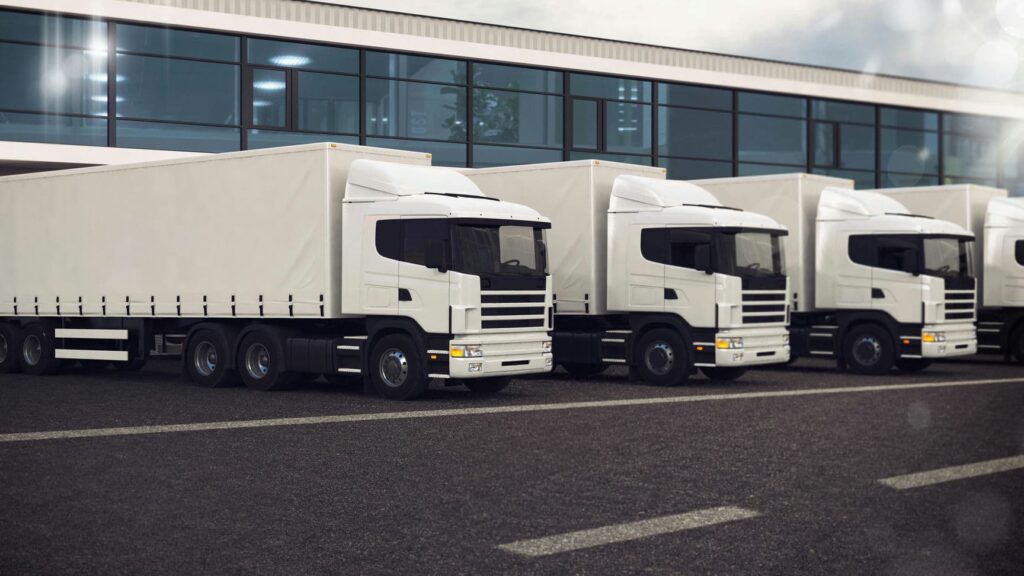
Existing Truck Finance, commercial vehicle loans, and fleet-related facilities that were structured separately over time.
Equipment and Machinery
Multiple Equipment Finance agreements for plant, machinery, or specialist assets that can be restructured into a single facility.
Short-Term Business Facilities
Overdrafts, short-term loans, or revolving credit facilities that no longer suit current cash flow patterns.
Property-Backed Business Debt
Business loans secured against commercial or residential property used within the business structure.
Finance Solutions Commonly Used
Debt consolidation is rarely a standalone product. It is usually structured using one or more core finance solutions, including:
The common thread is complexity — not financial distress. Consolidation is often about control, clarity, and future-proofing.
How Debt Consolidation Is Structured
Effective debt consolidation starts with understanding how the business generates income and uses assets. Key assessment factors include:
Cash Flow Consistency
Repayment structures must reflect actual trading patterns, not idealised forecasts.
Asset Life and Usage
Assets with remaining working life can support longer-term consolidation structures.
Risk Concentration
Reducing exposure to short-term or mismatched facilities improves overall financial resilience.
Future Funding Needs
Consolidation should not restrict the ability to access new finance when required.
Rather than focusing on individual loan balances, we look at the total financial picture and design a structure that supports stability and flexibility.
Why Choose GVK Finance
Structure-First Approach
We focus on how the finance works within your business, not just consolidating balances.
Broad Access to NZ Lenders
Independent access allows us to structure solutions beyond a single lender’s limitations.
Business-Focused Advice
Our work is grounded in real operational considerations, not generic finance templates.
Experience Across Asset Classes
From vehicles to equipment to property-backed facilities, we understand how different assets interact within a consolidation structure.
Long-Term View
Consolidation is positioned as a strategic reset, not a temporary fix.
FAQs
Is debt consolidation only for businesses under financial stress?
No. Many businesses consolidate debt to improve clarity, simplify repayments, or realign facilities after growth or change.
Can secured and unsecured debts be consolidated together?
In some cases, yes. This depends on asset backing, cash flow strength, and overall risk profile.
Will debt consolidation reduce my repayments?
It can, but the primary objective is better structure and alignment. Outcomes depend on term length, asset support, and facility design.
If your business is carrying multiple finance facilities that no longer reflect how you operate, debt consolidation may provide a clearer, more sustainable structure.